

-
Faculty of Arts and HumanitiesJakobi 2, r 116-121, 51005 Tartu linn, Tartu linn, TartumaaJakobi 2, 51005 Tartu linn, Tartu linn, TartumaaJakobi 2, IV korrus, 51005 Tartu linn, Tartu linn, TartumaaJakobi 2, III korrus, ruumid 302-337, 51005 Tartu linn, Tartu linn, TartumaaÜlikooli 16, 51003 Tartu linn, Tartu linn, TartumaaÜlikooli 18, 50090 Tartu linn, Tartu linn, TartumaaLossi 3, 51003 Tartu linn, Tartu linn, TartumaaPosti 1, 71004 Viljandi linn, ViljandimaaJakobi 2, 51005 Tartu linn, Tartu linn, TartumaaJakobi 2, 51005 Tartu linn, Tartu linn, TartumaaFaculty of Social SciencesLossi 36, 51003 Tartu linn, Tartu linn, TartumaaJakobi 5, 51005 Tartu linn, Tartu linn, TartumaaLossi 36, ruum 301, 51003 Tartu linn, Tartu linn, TartumaaNarva mnt 18, 51009 Tartu linn, Tartu linn, TartumaaNäituse 2, 50409 Tartu linn, Tartu linn, TartumaaNäituse 20 - 118, 50409 Tartu linn, Tartu linn, TartumaaLossi 36, 51003 Tartu linn, Tartu linn, TartumaaRaekoja plats 2, 20307 Narva linn, Ida-VirumaaLossi 36, 51003 Tartu linn, Tartu linn, TartumaaLossi 36, 51003 Tartu linn, Tartu linn, TartumaaFaculty of MedicineRavila 19, 50411 Tartu linn, Tartu linn, TartumaaBiomeedikum, Ravila 19, 50411 Tartu linn, Tartu linn, TartumaaNooruse 1, 50411 Tartu linn, Tartu linn, TartumaaL. Puusepa 1a, 50406 Tartu linn, Tartu linn, TartumaaL. Puusepa 8, 50406 Tartu linn, Tartu linn, TartumaaRavila 19, 50411 Tartu linn, Tartu linn, TartumaaUjula 4, 51008 Tartu linn, Tartu linn, TartumaaRavila, 50411 Tartu linn, Tartu linn, TartumaaRavila 19, 50411 Tartu linn, Tartu linn, TartumaaFaculty of Science and TechnologyVanemuise 46 - 208, 51003 Tartu linn, Tartu linn, TartumaaNarva mnt 18, 51009 Tartu linn, Tartu linn, TartumaaRavila 14a, 50411 Tartu linn, Tartu linn, TartumaaNarva mnt 18, 51009 Tartu linn, Tartu linn, TartumaaRiia 23, 23b - 134, 51010 Tartu linn, Tartu linn, TartumaaNooruse 1, 50411 Tartu linn, Tartu linn, TartumaaJ. Liivi tn 2, 50409 Tartu linn, Tartu linn, TartumaaRiia 23b/2, 51010 Tartu linn, Tartu linn, TartumaaVanemuise 46, 51003 Tartu linn, Tartu linn, TartumaaVanemuise 46, 51003 Tartu linn, Tartu linn, TartumaaArea of RectorArea of Vice Rector for Academic AffairsUppsala 10, 51003 Tartu linn, Tartu linn, TartumaaÜlikooli 18b, 51005 Tartu linn, Tartu linn, TartumaaÜlikooli 18a (III korrus), 51005 Tartu linn, Tartu linn, TartumaaArea of Vice Rector for ResearchW. Struve 1, 50091 Tartu linn, Tartu linn, TartumaaArea of Director of AdministrationÜlikooli 18, ruumid 102, 104, 209, 210, 50090 Tartu linn, Tartu linn, TartumaaÜlikooli 18A (III korrus), 51005 Tartu linn, Tartu linn, TartumaaArea of Head of FinanceÜlikooli 17, 51005 Tartu linn, Tartu linn, TartumaaArea of Vice Rector for DevelopmentLossi 25, 51003 Tartu linn, Tartu linn, TartumaaVanemuise 46, 51003 Tartu linn, Tartu linn, TartumaaNarva mnt 18, 51009 Tartu linn, Tartu linn, TartumaaArea of Academic SecretaryUppsala 6, Lossi 36, 51003 Tartu linn, Tartu linn, Tartumaa
Jakob von Uexküll
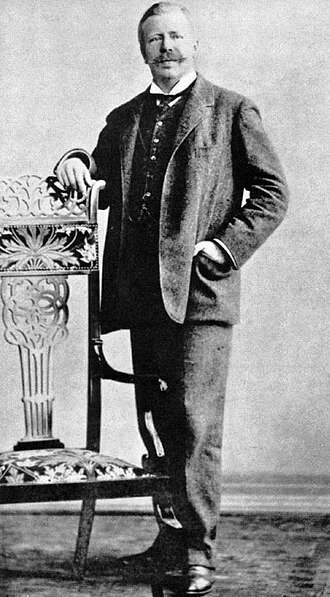
8 September 1864 – 25 July 1944
Jakob von Uexküll, a biologist of Baltic German descent who was born in Estonia and spent much of his life here, is one of the central figures associated with the Department of Semiotics. His principal contribution to biology was the theory of the Umwelt—or the “own-world”—which examines living beings’ subjective perception of their environment and their meaningful embeddedness in the world: how organisms create meaning in the world and subsequently act within it through those meanings. Uexküll called these subjective worlds Umwelten.
Each living being has its own Umwelt, consisting of those things it is capable of perceiving in its environment and that are important—or meaningful—for its subsequent activity. Thus, every organism’s world is constituted only by the meaningful elements that matter to it, those possessing what Uexküll termed a particular “tone” of meaning. Every being—including humans—therefore lives, as it were, in a “bubble” filled with meanings: its Umwelt.
The theory of Umwelten, with its subject-centred perspective on life, is unique within biology and forms one of the foundations of biosemiotics. Uexküll’s work has profoundly influenced many major figures in modern thought, including Ernst Cassirer, Martin Heidegger, Maurice Merleau-Ponty, and Gilles Deleuze.
His son, Thure von Uexküll, was likewise an active and influential scholar in psychosomatic medicine and an honorary doctorate of the University of Tartu. The Department of Semiotics at the University of Tartu actively continues to develop the Uexküllian tradition, as well as biosemiotic theories more broadly, through research and teaching.
Uexküll’s summer residence is located at Puhtu, on Estonia’s western coast. He spent nearly every summer there and drew inspiration and insight from the place while writing his principal works. The Department of Semiotics also organises seminars in Puhtu, providing an opportunity to exchange ideas on meaning-making in nature in a place that was significant to and inspired Uexküll.
A collection of selected books and articles by Uexküll, Omailmad (Umwelten, 2012), has been published in Estonian. It includes, among other texts, two of his best-known works: the popular A Stroll Through the Worlds of Animals and Men (1934) and Theory of Meaning (1940), a foundational text of biosemiotics, as well as selected writings from Theoretical Biology (1920).
